Myths over chargers: why drivers are actually afraid to buy electric vehicles
A global study by Global EV Driver Survey 2026 revealed that misinformation and misconceptions are the main barriers to EV adoption, surpassing high prices and charging issues.
 🧠AI Analysis
Photo: UNIAN
Key points
- 74% of EV owners consider misinformation a primary barrier to adoption.
- 72% of respondents pointed to the myth of fast battery degradation.
- Only 18% of actual owners expressed concern about battery lifespan.
- The survey included nearly 30,000 drivers from 34 countries.
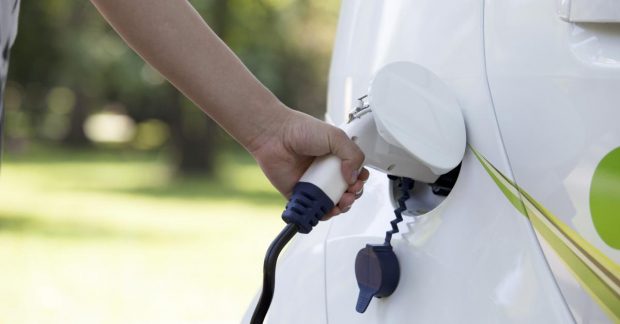
The development of the electric vehicle market is increasingly moving beyond purely technical or economic debates. According to the recent large-scale Global EV Driver Survey 2026, prepared by the Global EV Alliance, the key barrier to the mass transition to EVs is not high price tags or a lack of infrastructure, but rather widespread misinformation and false beliefs.
Main driver fears: batteries and fires
The study, which surveyed over 29,000 electric vehicle owners across 34 countries, found that 74% of respondents identified misconceptions as a primary obstacle to the spread of electric transport. In comparison, high purchase costs were cited by 49% of respondents, and difficulties with setting up home charging stations by 47%.
The most persistent stereotype proved to be the belief that EV batteries degrade and fail very quickly, noted by 72% of participants. Additionally, 58% of respondents mentioned fears that electric cars catch fire more often, while 45% believe the myth that a massive transition to EVs could cause severe power grid failures.
Reality versus stereotypes
Interestingly, EV owners who already have practical driving experience view these issues quite differently. Specifically, 65% of surveyed owners stated they do not worry about battery lifespan, with only 18% expressing concern. Ellen Heap, a member of the organization's steering committee, emphasizes that the transition to electric mobility depends not only on infrastructure development and lower prices, but also on the availability of accurate information about the capabilities and limitations of these vehicles.
Source UNIAN — unian.ua/economics/auto/chomu-lyudi-ne-pospishayut-kupuvati-elektro… ↗
Read next
 🛡️Security
Air Assault Forces Deny Russian Claims of Remote Mining in Rylsk
Explosions in the Russian town of Rylsk resulted from the detonation of an enemy ammo depot rather than drone-based remote mining, the military reported.
 💼Economy
Gasoline and diesel prices drop noticeably at Ukrainian filling stations
Leading fuel station networks in Ukraine have started lowering their prices at the pump. Both gasoline and diesel fuel have decreased by an average of several hryvnias pe…
 🛡️Security
Dymer Strike Death Toll Rises to 11 as Rescuers Save Child from Rubble
The death toll from a Russian attack on an apartment building in Dymer, Kyiv region, has risen to 11. Rescuers successfully pulled a seven-year-old boy alive from the deb…
 🎓Education
Ground Robotic Complexes on the Frontline: Will They Replace Armored Vehicles
Manufacturers of ground robotic systems state that unmanned vehicles will not fully replace armored cars, but are taking over dangerous frontline logistics.
 🎓Education
Russian Fleet Activity: Why Submarines Ventured Out to Sea for the First Time in Six Months
Navy Speaker Dmytro Pletenchuk reported that Russian submarines ventured out to sea for the first time in six months to launch Kalibr missiles during a combined attack.
 🎓Education
Debt for Protecting Kyiv Region Energy Facilities Exceeds One Billion Hryvnias
Companies that built protective structures for Kyiv region infrastructure face massive debts and financial strain.