Global cooperation of dictatorships: The Economist on the formation of a new geopolitical axis
Authoritarian regimes in Russia, China, Iran, and North Korea are strengthening their interaction, posing new challenges for Western democracies.
 💼Economy
Photo: UNIAN
Key points
- Formation of an informal alliance of four countries.
- Increase in security cooperation cases since 2019.
- Lack of a unified command despite high coordination.
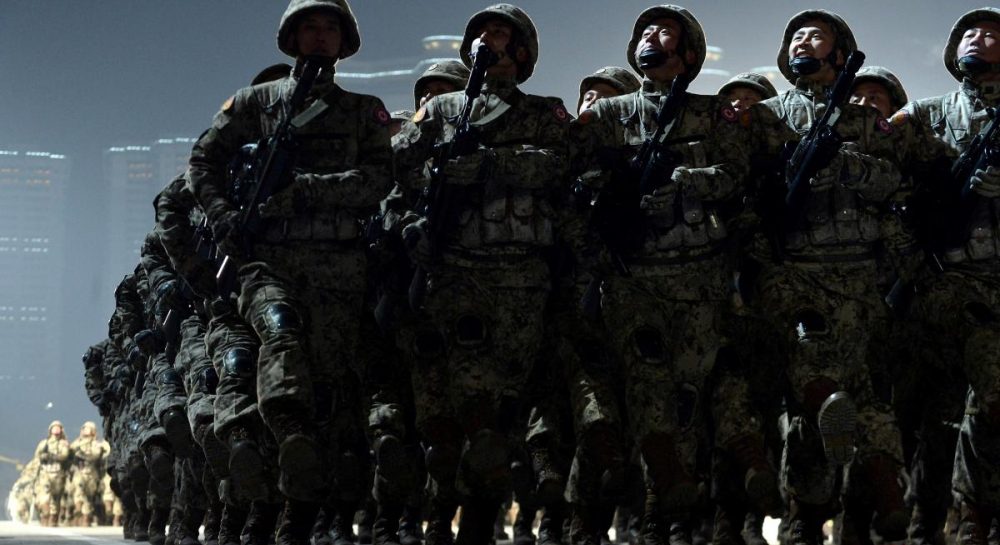
International analysts are pointing to the formation of an informal yet increasingly coordinated alliance between Russia, China, Iran, and North Korea. According to The Economist, these countries are actively exchanging technologies, intelligence, and military expertise, allowing them to circumvent sanctions more effectively.
Mechanisms of interaction
Researchers at the American FDD center have recorded over 600 instances of security cooperation between these nations between 2019 and 2025. The intensity of these contacts has increased significantly since the full-scale invasion of Ukraine. Despite the lack of a unified military command similar to NATO, the mutual support of these regimes makes it significantly harder for the West to contain aggression.
- Exchange of military experience and technology.
- Joint strategies to bypass international sanctions.
- Use of intelligence data to strengthen strategic positions.
Experts note that the interests of the members of this "axis" do not always align. For instance, China seeks stability for its economic development, while Russia benefits from global instability. However, their shared goal of countering Western influence makes this partnership a dangerous factor in modern geopolitics.
Source UNIAN — unian.ua/world/rosiya-knr-iran-ta-pivnichna-koreya-stvorili-neforma… ↗
Read next
 🧠AI Analysis
Massive Strikes on Ukraine's Infrastructure: Regional Security Implications
Russian forces carried out a fresh series of attacks targeting Ukraine's railway and energy infrastructure, resulting in six deaths and dozens of injuries. The strikes hi…
 💡Tech
Key Icon on Android Screen: What It Means and How to Remove It
The appearance of a small key symbol in the top panel of Android smartphones often raises questions, but this indicator actually confirms an active and secure VPN interne…
 🛡️Security
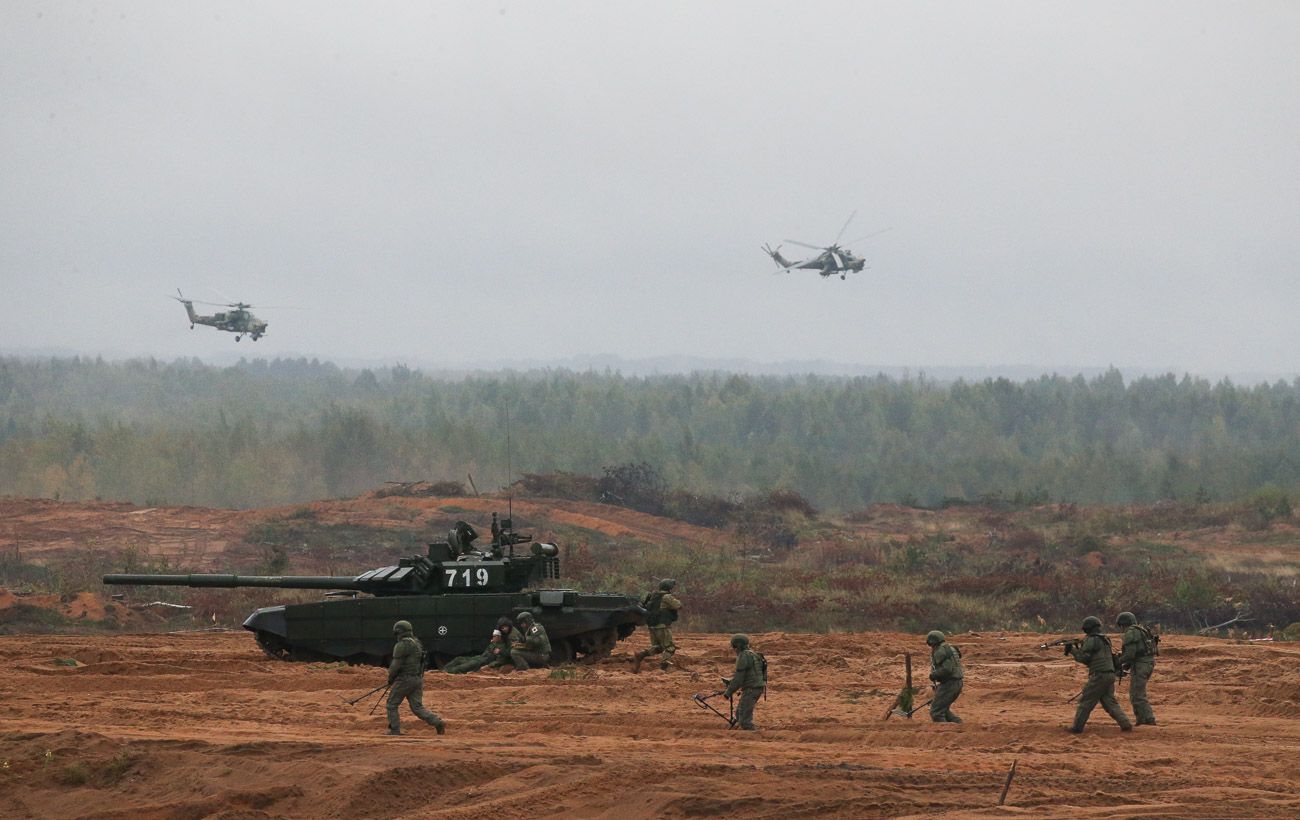
Russia Expands Military Infrastructure 60km from Finnish Border
Satellite imagery reveals significant reconstruction at the Kamenka garrison near the Finnish border, aimed at housing an expanded motorized rifle division.
 🇺🇦Ukraine
Munich to Repurpose Former BMW Offices as Housing for Ukrainian Refugees
Munich city authorities have leased part of a former BMW administrative complex to accommodate 600 refugees, primarily from Ukraine.
 🧠AI Analysis
Risk of Personnel Collapse: How ArcelorMittal Kryvyi Rih Shutdown May Change Deferral Rules
Due to a forced production halt, thousands of metallurgists risk losing their mobilization deferrals, prompting calls for the government to revise economic booking criter…
 🛡️Security
Oleksandr Syrskyi Outlines Three Lessons of War for International Security
Former Commander-in-Chief of the Armed Forces of Ukraine Oleksandr Syrskyi shared three fundamental lessons learned from the war in Ukraine at the Halifax International S…